ADVERTISEMENT
 (No Ratings Yet)
 Loading...
Fullscreen
ADVERTISEMENT





 (No Ratings Yet)Loading...
Criticality looks like a toy at first glance, a grid of dots you tap once and watch scatter. What it actually demands is reactor management, not idle clicking, since every neutron you release is a call on how far a chain should run before it fizzles out or gets away from you. That gap is where the whole game lives.
The core loop starts small: click, release a neutron, watch it strike an atom and split into two more neutrons, which strike two more atoms in turn. Whether the chain ends after three splits or spirals across the board depends on spacing, density, and a little luck in the layout. Longer chains pay more coins, so overloading the board is a constant temptation.
Newcomers often ask whether clicking again mid-chain helps or hurts, and the honest answer is that it resets your chain counter, so mashing the board is the wrong instinct. The better habit, the one the community settles into fast, is a single well-placed click followed by watching the cascade play out before touching anything again. That patience is the actual skill Criticality is testing, more than reflexes.
Coins earned from a chain go into upgrades that reshape future reactions. Neutron reflectors give particles a percentage chance to bounce off a boundary instead of vanishing, stretching a chain further. Pierce lets a neutron punch through an atom’s remaining health instead of stopping dead, mattering once tougher atoms appear at higher ranks. Momentum keeps a chain counting through an extra click, softening the penalty for an impatient tap.
Progress in Criticality is measured in rank, and climbing it introduces larger atoms worth more coins but more resistant to a single pass. Early ranks reward straightforward chain-building, but once bigger atoms show up, the same click-and-watch approach stops being enough, and players lean harder on reflector and pierce upgrades to keep chains alive.
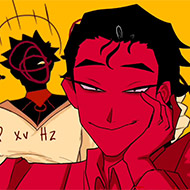
There is a meltdown risk lurking under all of this, given the demon-core framing of a late-night reactor experiment gone slightly too far. A chain that grows too fast can outrun the board, and losing control is a real setback rather than a cosmetic warning. Players coming from twitchier clickers tend to notice that edge first. Once a run is pushed as far as current upgrades allow, a prestige option resets the board for a lasting bonus next attempt, rebuilding the reactor from the one you let run wild.
Whether the loop stays satisfying past the first few cycles is genuinely split among players. Some find the growing chains enough to keep each prestige run distinct, while others admit the stretch between upgrades can drag before the next reflector tier kicks the pace back up. Idle-game veterans tend to treat that lull as normal pacing rather than a flaw.
Criticality turns a single tapped neutron into the closest thing a casual clicker gets to a physics lesson, and once reflectors and pierce start compounding into chains that swallow the whole board, walking away from one more cascade gets genuinely hard.
There are no reviews yet. Be the first one to write one.